
When it comes to modern building facades, interiors, and commercial spaces, Aluminum Composite Panels (ACP) have become one of the most popular materials.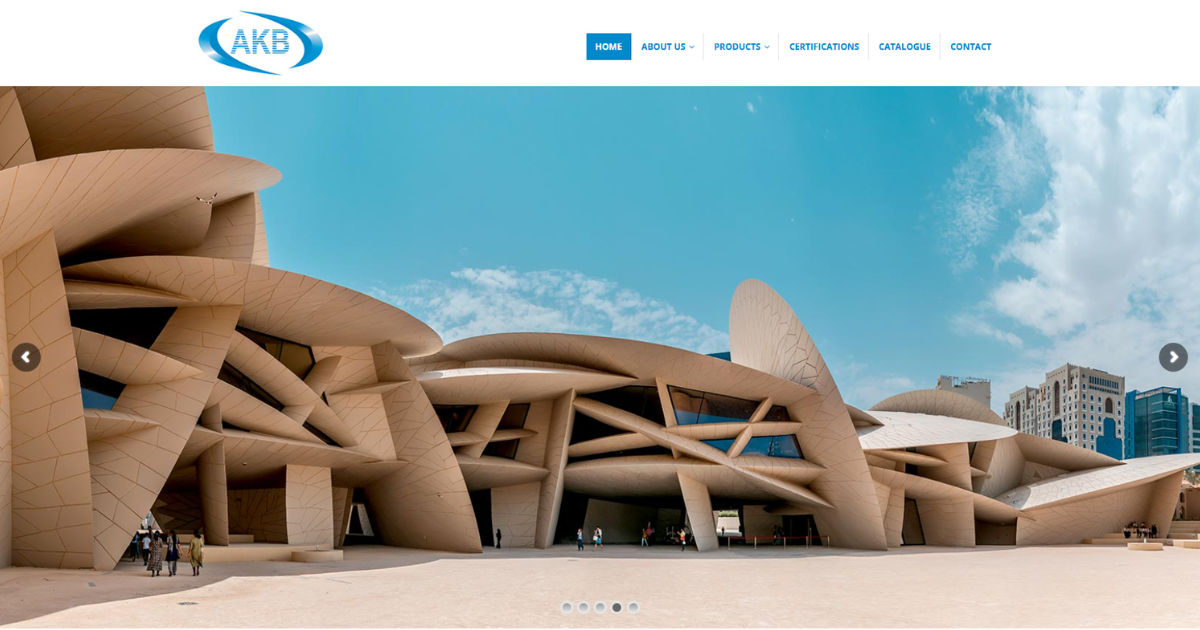
Companies like Akbari Engineering are leading the way in providing high-quality custom printed ACP panels that are not only durable but also visually appealing.
In this guide, we will take a deep dive into how custom printed ACP panels are made, the technology behind them, and why they are revolutionizing architecture and interior design.
Understanding ACP Panels
Before diving into custom printing, it’s essential to understand what ACP panels are. ACP stands for Aluminum Composite Panel, which is a flat panel consisting of two thin layers of aluminum bonded to a non-aluminum core. These panels are widely used because of their strength, lightweight nature, and versatility.
The basic structure of an ACP panel includes:
-
Aluminum Layers: These are typically 0.3mm to 0.5mm thick and provide the outer skin. They are corrosion-resistant and can be painted or coated.
-
Core Material: Usually made of polyethylene (PE) or fire-resistant (FR) materials, the core provides insulation, structural rigidity, and flexibility in design.
-
Protective Coating: A layer applied to prevent scratches and maintain the finish during transport and installation.
Custom printed ACP panels take this standard structure and transform it into a canvas for design, branding, and aesthetics.
Why Custom Printing on ACP Panels Matters
Customization in architecture is no longer a luxury; it’s a necessity. From corporate branding to modern artistic facades, custom printed ACP panels allow designers and architects to achieve unique visual effects.
Some reasons why custom printed ACP panels are preferred include:
-
Branding: Companies can print logos, patterns, or color schemes directly on panels.
-
Aesthetic Flexibility: Any design, texture, or artwork can be reproduced.
-
Durability: Unlike painted surfaces, the printing process ensures longevity and resistance to fading.
-
Weather Resistance: High-quality custom prints are UV resistant and maintain vibrancy outdoors.
Akbari Engineering specializes in producing custom printed ACP panels that meet both aesthetic and structural standards.
Step 1: Selecting the Right ACP Panel
Not all ACP panels are suitable for printing. The process begins with selecting a panel that has a smooth, pre-treated surface. Important factors include:
-
Panel Thickness: Typically 3mm to 6mm, depending on application.
-
Aluminum Quality: High-quality aluminum ensures better adhesion of printed materials.
-
Core Material: Fire-resistant cores are preferred for commercial buildings.
-
Surface Finish: Panels with a PVDF or PE coating provide better print adhesion and weather protection.
Once the panel is selected, it is cleaned and prepared for the printing process.
Step 2: Preparing the Design
The design process is where creativity meets technology. Modern custom printed ACP panels rely on digital printing techniques, which allow for intricate designs, high resolution, and accurate color reproduction.
Design preparation includes:
-
Graphic Design: The image, logo, or pattern is created using software like Adobe Illustrator or CorelDRAW.
-
Color Matching: Ensures that the printed colors match client specifications.
-
Scaling: The design is adjusted to fit the exact dimensions of the ACP panel.
Akbari Engineering often works closely with clients at this stage, ensuring that every detail of the design meets expectations before printing.
Step 3: Surface Treatment and Priming
For high-quality printing, the surface of the ACP panel must be perfectly prepared. This involves:
-
Cleaning: Removing dust, grease, or contaminants using solvents or chemical cleaning agents.
-
Sanding: Lightly sanding the surface to create better adhesion.
-
Priming: Applying a primer layer that helps the ink bond to the aluminum surface.
This step is crucial because poor surface preparation can lead to peeling, fading, or uneven prints.
Step 4: Printing Techniques
There are several printing techniques used for ACP panels, and the choice depends on the desired quality, durability, and effect. The most common methods include:
UV Printing
UV printing is a modern digital technique that uses ultraviolet light to cure inks directly onto the panel. Benefits include:
-
High resolution and color accuracy
-
Immediate drying and minimal smudging
-
Long-lasting prints resistant to fading
Screen Printing
Screen printing involves pushing ink through a mesh stencil onto the panel. While it is more traditional, it is still widely used for simpler designs or repeated patterns.
Sublimation Printing
Sublimation printing allows the ink to transfer into a specially coated layer on the ACP panel. This technique produces vibrant colors and smooth finishes.
Akbari Engineering uses advanced UV printing for most custom ACP panels because it offers unmatched quality and durability.
Step 5: Protective Coating
After the design is printed, the panels undergo a protective coating process. This coating ensures that the printed images remain intact under harsh conditions. Typical protective measures include:
-
Lamination: A thin layer of protective film can be applied to prevent scratches.
-
Clear Coating: UV-resistant clear coats enhance durability and prevent color fading.
-
Anti-Graffiti Layer: For public installations, a coating can be added to resist vandalism.
These steps significantly extend the life of custom printed ACP panels, making them ideal for both interior and exterior applications.
Step 6: Quality Control
Every batch of custom printed ACP panels undergoes rigorous quality checks:
-
Visual Inspection: Checking for defects, color inconsistencies, or misalignment.
-
Adhesion Test: Ensures that the print and coating are firmly bonded.
-
Durability Tests: Resistance to UV, moisture, and temperature variations is verified.
Only panels that pass these quality controls are packaged for delivery.
Step 7: Cutting and Fabrication
Custom printed ACP panels are then cut to specific sizes and shapes according to the project requirements. This may include:
-
Laser cutting for intricate designs
-
CNC routing for precise dimensions
-
Bending or folding for 3D installations
Fabrication is done carefully to preserve the integrity of the printed design.
Step 8: Installation
The final step is installation. Custom printed ACP panels can be used for:
-
Building facades
-
Interior walls and partitions
-
Signage and branding
-
Decorative installations
Proper installation ensures structural safety, visual appeal, and long-term durability.
Advantages of Custom Printed ACP Panels
Custom printed ACP panels offer several advantages over traditional materials:
-
Visual Impact: Unlimited design possibilities for modern aesthetics.
-
Weather Resistance: Retains color and finish even in harsh climates.
-
Lightweight Yet Strong: Easy to handle and install without compromising strength.
-
Low Maintenance: Easy to clean and resistant to scratches and stains.
-
Cost-Effective: Long-lasting panels reduce the need for frequent replacement.
Akbari Engineering ensures that all custom printed panels meet these advantages, providing both quality and performance.
Common Applications of Custom Printed ACP Panels
These panels are versatile and widely used in various applications:
-
Commercial Buildings: Logo panels, branded walls, and facades.
-
Interior Design: Decorative walls, ceilings, and partitions.
-
Retail Stores: Eye-catching displays, signage, and themed interiors.
-
Public Spaces: Bus stops, airports, and metro stations.
-
Artistic Installations: Murals and 3D designs for exhibitions or hotels.
Tips for Choosing a Provider
When selecting a company for custom printed ACP panels, consider:
-
Experience in ACP manufacturing and printing
-
Portfolio of completed projects
-
Use of high-quality materials and printing technology
-
Warranty and after-sales support
Akbari Engineering stands out as a trusted provider that combines expertise, advanced technology, and customer-focused solutions.
Conclusion
Custom printed ACP panels are transforming the world of architecture and interior design. Their durability, versatility, and aesthetic flexibility make them an excellent choice for commercial, residential, and public projects. The process of making these panels involves careful selection, design, surface preparation, high-tech printing, protective coating, quality control, fabrication, and installation.
Companies like Akbari Engineering are setting industry standards by delivering high-quality, long-lasting, and visually striking custom printed ACP panels. Whether it’s branding, decoration, or architectural innovation, these panels offer endless possibilities for creativity.
Custom printed ACP panels are not just a material; they are a medium for artistic expression, architectural excellence, and functional design. By understanding the production process, one can appreciate the precision and technology that goes into creating these versatile panels.
With proper design, printing, and installation, custom ACP panels can enhance any project, making it more attractive, durable, and memorable. As trends in architecture continue to evolve, custom printed ACP panels are undoubtedly at the forefront, combining practicality with creativity.