
Introduction
Industrial environments today operate with complex processes involving chemicals, fuels, and high-energy systems. In such settings, the presence of hazardous gases is a constant risk that can threaten worker safety, damage equipment, and disrupt operations. Many facilities still rely on traditional monitoring methods that may not provide fast enough detection, leaving gaps in safety control.
As industries evolve, there is a growing need for intelligent systems that can continuously track gas levels and respond instantly to dangerous changes. Smart technologies now enable real-time detection, automated alerts, and centralized monitoring, helping organizations maintain safer and more controlled environments.
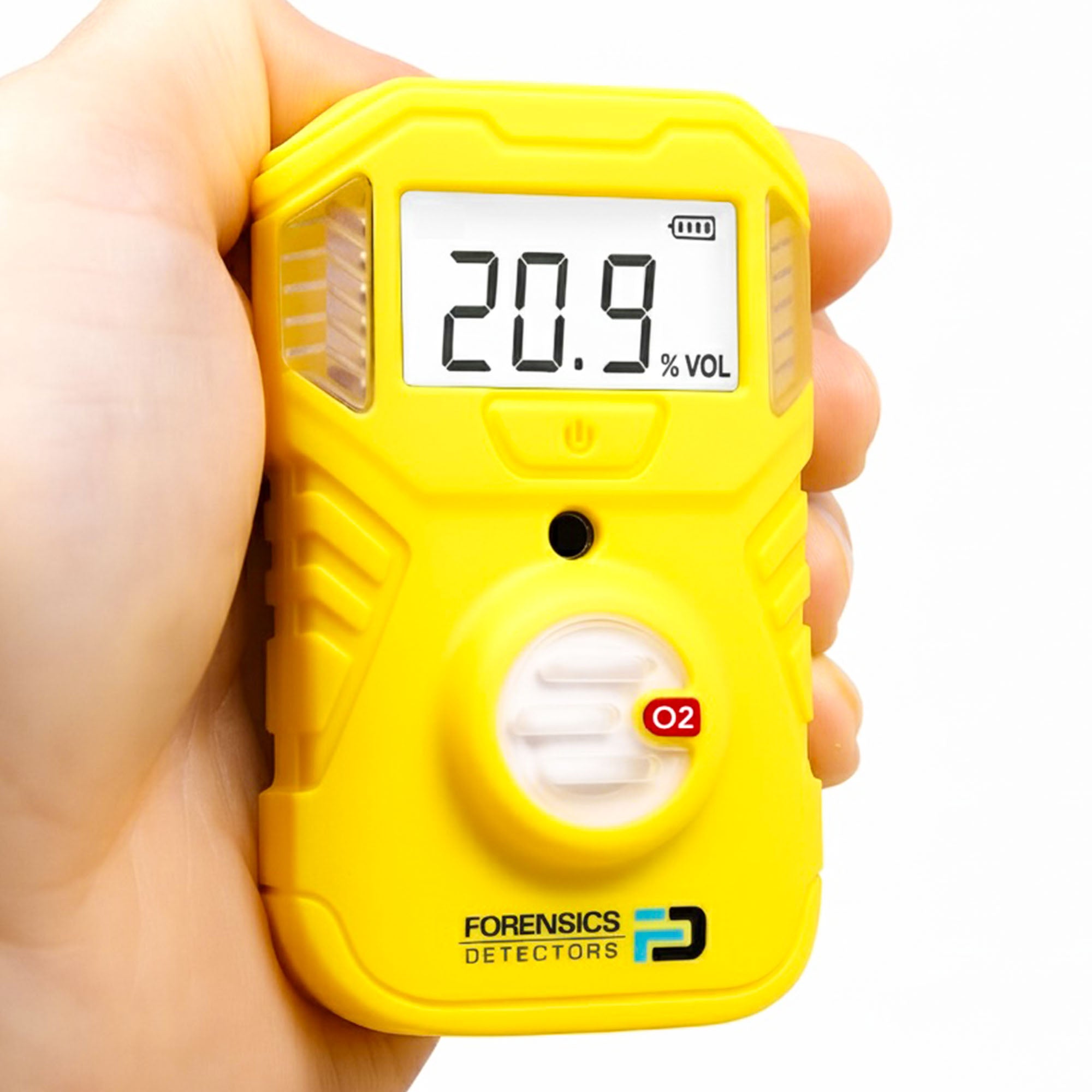
Smart Industrial Gas Monitoring Solutions for Safety Control are advanced systems designed to provide continuous surveillance, accurate gas detection, and automated safety responses to prevent accidents and ensure operational stability.
The Importance of Smart Gas Monitoring in Industry
Gas-related hazards are among the most dangerous risks in industrial workplaces. Toxic, flammable, or oxygen-displacing gases can accumulate quickly and go unnoticed without proper monitoring systems. Even a small leak can lead to severe consequences such as explosions, poisoning, or equipment failure.
Without smart monitoring systems, industries may face:
- Delayed detection of gas leaks
- Increased risk of workplace accidents
- Production shutdowns due to emergencies
- Regulatory non-compliance penalties
- Environmental damage and legal liabilities
Smart gas monitoring systems help eliminate these risks by providing real-time insights and automated safety responses.
How Smart Gas Monitoring Systems Work
Smart gas monitoring solutions use advanced sensor technologies combined with digital communication systems to detect and analyze Kohlenmonoxid-Detektor für Auto levels in real time. These systems are designed to operate continuously, ensuring that no hazardous changes go unnoticed.
Core Technologies Include:
- Electrochemical sensors for toxic gases
- Infrared sensors for combustible gases
- Catalytic bead sensors for explosion detection
- Photoionization detectors for volatile organic compounds
- Wireless IoT connectivity for remote monitoring
These technologies work together to collect accurate data and transmit it instantly to control systems or cloud-based platforms.
Key Features of Smart Industrial Gas Monitoring Solutions
Modern gas monitoring systems are built with intelligent features that enhance safety, efficiency, and ease of use in industrial environments.
Major Features:
- Real-time gas detection and continuous monitoring
- Multi-gas analysis in a single system
- Automated alerts via alarms, SMS, or mobile notifications
- Cloud-based data storage and remote access
- Integration with industrial safety control systems
- Self-calibration and automatic diagnostics
These features allow industries to maintain full visibility and control over gas-related risks at all times.
Applications Across Industrial Sectors
Smart gas monitoring solutions are widely used across industries where gas exposure risks are high and safety control is critical.
Common Application Areas:
- Oil and gas production and refining
- Chemical and petrochemical plants
- Pharmaceutical manufacturing facilities
- Mining and underground operations
- Power generation and energy plants
- Wastewater treatment facilities
- Manufacturing and processing industries
In each of these environments, smart monitoring systems help ensure safe working conditions and operational continuity.
Benefits of Smart Gas Monitoring Systems
The adoption of smart gas monitoring technology offers significant advantages for industrial safety and efficiency.
Key Benefits Include:
- Early detection of hazardous gas leaks
- Improved worker safety and emergency response
- Reduced risk of explosions and industrial accidents
- Enhanced compliance with safety regulations
- Lower operational downtime and maintenance costs
- Real-time data for better decision-making
These benefits make smart monitoring systems an essential investment for modern industrial safety management.
Choosing the Right Gas Monitoring Solution
Selecting the right system depends on the specific needs and risks of the industrial environment. Different facilities require different levels of detection accuracy, connectivity, and coverage.
Important Factors to Consider:
- Types of gases present in the environment
- Required detection range and sensitivity
- Facility size and layout complexity
- Fixed vs. portable monitoring requirements
- Integration with existing safety infrastructure
- Maintenance, calibration, and support services
A properly chosen system ensures long-term reliability and maximum safety performance.
Conclusion
Smart Industrial Gas Monitoring Solutions for Safety Control are transforming how industries manage hazardous environments. By combining advanced sensors, real-time analytics, and automated alerts, these systems provide unmatched protection against gas-related risks. They not only enhance workplace safety but also improve operational efficiency and regulatory compliance. As industrial processes continue to advance, smart gas monitoring technology will remain a vital component in building safer, smarter, and more resilient industrial operations.