
Humidity control is an important topic in everyday life, especially in homes, warehouses, food storage areas, and industrial spaces.
Excess moisture in the air can lead to mold growth, corrosion, bad odors, and damage to products. One of the most effective and widely used solutions for moisture control is Calcium Chloride Desiccants. These materials are known for their strong moisture-absorbing ability and long-lasting performance.
In this comprehensive guide, you will learn how humidity works, why moisture control is important, and how Calcium Chloride Desiccants control humidity so effectively. The explanation is written in simple language, suitable for a 12th-grade audience, and organized with clear headings and short paragraphs for easy understanding.
Humidity
Humidity refers to the amount of water vapor present in the air. Warm air can hold more moisture than cold air. When air becomes saturated with water vapor, it creates high humidity conditions.
High humidity can cause discomfort and damage. It can make the air feel heavy, lead to sweating, and reduce indoor air quality. In enclosed spaces, humidity often builds up due to poor ventilation, temperature changes, or water sources.
Controlling humidity means reducing excess moisture in the air to maintain a healthy and stable environment.
Why Controlling Humidity Is Important
Excess humidity affects both health and materials. Mold and mildew grow easily in moist environments. These fungi can trigger allergies, asthma, and respiratory problems.
High moisture also damages furniture, electronics, clothing, and stored goods. Metal objects may rust, wood can warp, and paper products may deteriorate. Food items may spoil faster due to moisture.
This is where Calcium Chloride Desiccants play a crucial role by removing moisture efficiently from the air.
What Are Desiccants?
Desiccants are substances that absorb moisture from the surrounding air. They are commonly used in packaging, storage areas, and moisture control devices.
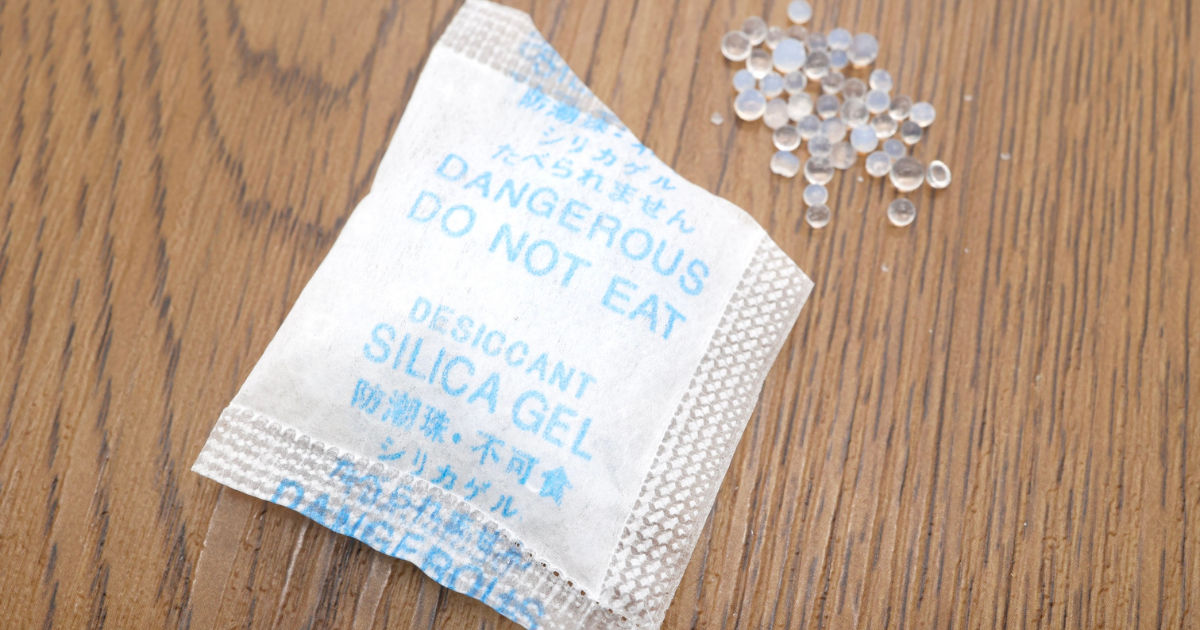
There are different types of desiccants, such as silica gel, activated charcoal, and calcium chloride. Among these, Calcium Chloride Desiccants are known for their superior moisture absorption capacity.
They work through a chemical process that attracts and binds water molecules, reducing humidity levels effectively.
Introduction to Calcium Chloride
Calcium chloride is a chemical compound made of calcium and chlorine. It appears as white pellets, flakes, or granules and is highly hygroscopic, meaning it attracts water.
Because of this property, calcium chloride is widely used for de-icing roads, dust control, and moisture removal. When used for humidity control, it is referred to as Calcium Chloride Desiccants.
These desiccants are especially effective in high-humidity environments where other moisture absorbers may fail.
How Calcium Chloride Desiccants Work
The working principle of Calcium Chloride Desiccants is based on absorption and dissolution. When exposed to humid air, calcium chloride attracts water vapor.
As it absorbs moisture, it slowly dissolves and turns into a liquid brine solution. This process continues until the desiccant reaches its absorption limit.
By pulling moisture from the air and trapping it as liquid, Calcium Chloride Desiccants significantly lower humidity levels in enclosed spaces.
Hygroscopic Nature of Calcium Chloride
Hygroscopic substances naturally attract water molecules. Calcium chloride has a very strong hygroscopic nature compared to other desiccants.
This allows Calcium Chloride Desiccants to absorb moisture even when humidity levels are relatively low. They can continue working over a wide range of temperatures and conditions.
This strong attraction to water is the main reason calcium chloride is so effective for long-term humidity control.
Absorption vs Adsorption
It is important to understand the difference between absorption and adsorption. Absorption means the moisture is taken into the material and becomes part of it.
Adsorption means moisture sticks to the surface only. Calcium Chloride Desiccants work through absorption, not adsorption.
This makes them more powerful than surface-based desiccants, allowing them to hold much more water relative to their size.
Chemical Reaction with Water
When calcium chloride absorbs water, a chemical reaction occurs. The compound releases heat as it dissolves in water, a process called exothermic reaction.
This reaction helps speed up moisture absorption. Calcium Chloride Desiccants continue absorbing until they form a saturated liquid solution.
This chemical behavior ensures fast and efficient humidity reduction.
Forms of Calcium Chloride Desiccants
Calcium chloride desiccants are available in several forms. Pellets and granules are commonly used in moisture absorber containers.
Some products use calcium chloride in sealed pouches or hanging bags. These designs allow moisture to enter while safely containing the liquid brine.
No matter the form, Calcium Chloride Desiccants perform the same basic function of absorbing and locking in moisture.
Where Calcium Chloride Desiccants Are Used
These desiccants are used in many environments. Homes use them in closets, bathrooms, and basements to reduce dampness.
Warehouses and shipping containers rely on Calcium Chloride Desiccants to protect goods from moisture damage during storage and transport.
They are also used in boats, RVs, and vehicles to prevent condensation and musty odors.
Benefits of Calcium Chloride Desiccants
One major benefit is their high moisture capacity. Calcium Chloride Desiccants can absorb several times their own weight in water.
They work continuously without electricity, making them energy-efficient and cost-effective.
They are also easy to use and require minimal maintenance, making them ideal for everyday humidity control.
Comparison with Other Desiccants
Silica gel is another popular desiccant, but it has a lower moisture capacity compared to calcium chloride.
Activated charcoal helps with odors but is less effective for heavy moisture control. Calcium Chloride Desiccants outperform many alternatives in high-humidity conditions.
This makes them a preferred choice for long-term and heavy-duty humidity control.
Effectiveness in High Humidity Areas
In areas with constant moisture, such as coastal regions or rainy climates, humidity can be difficult to manage.
Calcium Chloride Desiccants continue absorbing moisture even when the air is already very damp.
Their ability to liquefy ensures that absorbed water does not return to the air, providing consistent performance.
Role in Preventing Mold and Mildew
Mold needs moisture to grow. By reducing humidity, Calcium Chloride Desiccants help stop mold and mildew before they start.
This protects walls, clothing, and stored items from fungal damage.
Lower humidity also improves indoor air quality and reduces health risks.
Impact on Odor Control
Musty odors are often caused by excess moisture. When humidity is reduced, odor-causing bacteria and mold cannot thrive.
Calcium Chloride Desiccants indirectly help eliminate unpleasant smells by creating a dry environment.
This is why they are commonly used in closets and storage areas.
Safety Considerations
While effective, calcium chloride should be handled carefully. It can cause skin irritation if touched directly.
Most Calcium Chloride Desiccants are enclosed in containers or bags to prevent contact.
They should be kept away from children and pets to ensure safe use.
Environmental Impact
Calcium chloride is generally considered safe when used properly. It does not release harmful fumes into the air.
Many Calcium Chloride Desiccants are designed for responsible disposal once fully used.
Using passive desiccants also reduces the need for electric dehumidifiers, saving energy.
Longevity and Replacement
The lifespan of Calcium Chloride Desiccants depends on humidity levels and room size.
Once the material fully dissolves, it needs replacement. Some products include indicators to show when they are full.
Regular replacement ensures continued humidity control.
Choosing the Right Calcium Chloride Desiccant
When selecting a product, consider the size of the space and the humidity level.
Larger areas may require multiple units or higher-capacity Calcium Chloride Desiccants.
Proper placement improves performance and ensures even moisture removal.
Limitations of Calcium Chloride Desiccants
Although effective, they are best suited for enclosed or semi-enclosed spaces.
In very large or open areas, mechanical dehumidifiers may be needed alongside Calcium Chloride Desiccants.
They also require periodic replacement, unlike reusable electric systems.
Conclusion
Humidity control is essential for maintaining healthy, comfortable, and damage-free environments. Excess moisture can cause mold, odors, and material deterioration if left unmanaged. Calcium Chloride Desiccants offer a powerful and reliable solution by actively absorbing water vapor from the air and converting it into a trapped liquid.
Their hygroscopic nature, high moisture capacity, and ease of use make Calcium Chloride Desiccants one of the most effective tools for controlling humidity in homes, storage areas, and industrial settings. By understanding how they work and where to use them, you can protect your belongings, improve air quality, and create a safer living space. When used correctly and replaced as needed, Calcium Chloride Desiccants provide long-lasting and efficient humidity control.