
When it comes to combining style with ergonomic support, the Eames office chair is a standout choice. Known for its sleek design and durable construction, this chair is not just a statement piece but also a tool for enhancing productivity.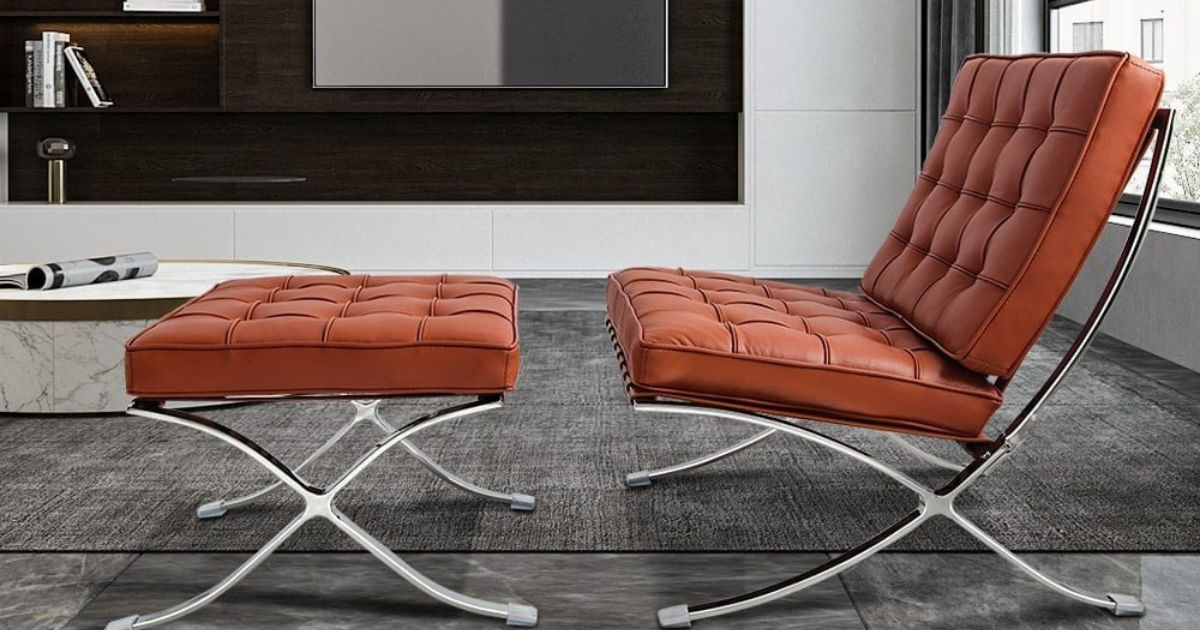
However, owning an Eames office chair is only half the journey. To truly benefit from its comfort, you need to understand how to sit properly and adjust it to your body.
This guide provides a comprehensive seating strategy to maximize comfort and support while using your Eames office chair.
Understanding the Eames Office Chair
The Eames office chair was designed with both aesthetics and ergonomics in mind. Originally created by Charles and Ray Eames, it has become a benchmark for modern office seating. Its design focuses on flexibility, comfort, and durability. Unlike ordinary office chairs, the Eames office chair is crafted to support long hours of work while reducing strain on your back, neck, and shoulders.
A key feature of the Eames office chair is its molded seat and backrest. This design ensures that your body weight is evenly distributed, which reduces pressure points. Additionally, the chair often includes adjustable height, tilt, and swivel functions to accommodate different body types and work setups. Understanding these features is crucial for maximizing comfort.
Benefits of Proper Seating in an Eames Office Chair
Sitting incorrectly in even the most expensive chair can lead to discomfort and long-term health issues. Using your Eames office chair properly offers several benefits:
-
Improved posture: Correct seating encourages a neutral spine position, which prevents slouching and back pain.
-
Enhanced productivity: Comfortable seating reduces fatigue, allowing you to focus on work for longer periods.
-
Reduced strain: Proper support for your lower back, shoulders, and neck reduces the risk of repetitive strain injuries.
-
Longevity of the chair: Using the chair as intended prevents wear and tear, ensuring your Eames office chair lasts longer.
By investing time in understanding the correct seating posture, you can make your Eames office chair a tool for health and productivity rather than just a stylish accessory.
Adjusting Your Eames Office Chair for Maximum Comfort
Seat Height
The first step to comfort is adjusting the seat height. Your feet should rest flat on the floor, with knees at roughly a 90-degree angle. This position prevents pressure on the thighs and ensures proper blood circulation. Most Eames office chairs come with a pneumatic lift, allowing for smooth height adjustments.
If your chair is too high, your legs will dangle, causing discomfort and strain in your lower back. If it’s too low, your knees may rise above your hips, compressing your spine. The goal is to align your knees slightly below your hips, promoting a natural sitting posture.
Seat Depth
The seat depth is another crucial factor. Ideally, there should be about two to three inches of space between the back of your knees and the seat edge. The molded design of the Eames office chair helps maintain this gap automatically, but fine adjustments may be needed depending on your leg length.
A seat that is too deep can cut off circulation in your legs, while one that is too shallow may fail to provide proper thigh support. Adjusting the seat depth ensures you can sit back fully against the backrest while maintaining proper leg support.
Backrest Position
The backrest of your Eames office chair is designed to follow the natural curve of your spine. Adjusting it properly is key to preventing back pain. Sit fully back in the chair and align the lower lumbar area with the chair’s curve. Many Eames office chairs have a slight tilt or recline feature. A subtle recline of 100-110 degrees reduces pressure on the lower spine while encouraging an upright posture.
Avoid leaning too far forward or backward. The chair is designed to support your spine in a balanced position. Proper backrest use ensures that your upper and lower back muscles remain relaxed.
Armrest Adjustment
Armrests are often overlooked but play an essential role in comfort. The Eames office chair typically comes with adjustable or fixed armrests. Your arms should rest comfortably with shoulders relaxed, elbows at a 90-degree angle, and wrists straight.
Improper armrest height can lead to shoulder tension or strain on your wrists. Adjusting armrests to support natural arm positioning helps reduce fatigue, especially if you spend long hours typing or using a mouse.
Swivel and Mobility
One advantage of the Eames office chair is its swivel base and casters, allowing for easy movement around your workspace. Swiveling reduces repetitive twisting of the spine and makes it easier to reach items without straining.
Ensure your chair moves smoothly and is positioned so that your feet remain flat on the floor when swiveling. Mobility combined with proper seating height and back support enhances overall comfort.
Posture Tips While Using Your Eames Office Chair
Even with the perfect chair adjustment, posture plays a crucial role in comfort. Follow these tips to maintain a healthy sitting position:
-
Keep feet flat: Avoid crossing legs, which can misalign the pelvis and lower back.
-
Engage core muscles: Lightly engaging your abdominal muscles helps support your spine.
-
Shoulders relaxed: Keep shoulders down and back; avoid hunching forward.
-
Monitor position: Your computer screen should be at eye level to prevent neck strain.
-
Frequent breaks: Stand up, stretch, or walk for a few minutes every hour.
By combining proper posture with the ergonomic features of your Eames office chair, you can significantly reduce discomfort and improve work efficiency.
Accessorizing for Extra Comfort
Sometimes, even the most well-designed chair benefits from a few supportive accessories. Consider these additions:
-
Lumbar cushions: Even if your chair has built-in lumbar support, a small cushion can provide extra lower back support.
-
Footrests: If your chair is too high and your feet don’t touch the floor, a footrest can help maintain proper leg alignment.
-
Seat cushions: For longer sitting periods, memory foam seat cushions can distribute weight more evenly.
These accessories, combined with the natural ergonomics of the Eames office chair, create an optimized seating experience.
Common Mistakes to Avoid
Even with the right chair, many people make mistakes that reduce comfort:
-
Slouching: Leaning forward or slumping can negate the benefits of your chair’s design.
-
Improper height: Not adjusting the seat height can cause leg or back strain.
-
Ignoring breaks: Sitting continuously for hours, even in a supportive chair, can cause stiffness.
-
Incorrect armrest use: Arms that hang or press upward can cause tension in the shoulders and neck.
Avoiding these habits ensures that your Eames office chair delivers the full ergonomic benefits intended by its designers.
Maintaining Your Eames Office Chair
Comfort is not just about how you sit; it’s also about keeping your chair in top condition. Regular maintenance helps preserve both comfort and appearance:
-
Clean regularly: Use a damp cloth for leather or fabric cleaners suitable for your chair type.
-
Check adjustments: Ensure that tilt, height, and armrest mechanisms are functioning smoothly.
-
Lubricate moving parts: Casters and swivels benefit from occasional lubrication to maintain mobility.
-
Inspect for wear: Replace worn casters or cushions to retain ergonomic support.
Proper maintenance keeps your Eames office chair functioning optimally, ensuring consistent comfort over time.
Customizing for Personal Needs
Everyone’s body is different, and the beauty of the Eames office chair is its adaptability. Consider these tips to tailor it to your needs:
-
Adjust lumbar support to match your spine’s natural curve.
-
Experiment with tilt tension to find the most comfortable recline.
-
Modify armrest height based on your desk and arm length.
-
Use cushions strategically to address areas of discomfort.
By customizing your Eames office chair, you can create a seating experience that is both supportive and enjoyable for hours at a time.
The Long-Term Benefits of Proper Seating
Investing time in proper seating techniques pays off in several ways:
-
Reduced back pain: Supportive seating prevents strain and long-term spinal issues.
-
Enhanced focus: Comfortable seating allows you to concentrate on work without distraction.
-
Better energy levels: Proper posture improves circulation, reducing fatigue.
-
Improved mental well-being: Comfort and ergonomics contribute to overall work satisfaction.
The Eames office chair, when used correctly, is more than just a chair; it is a tool for improving both physical health and work performance.
Conclusion
Maximizing comfort in your Eames office chair requires understanding both the chair’s features and your own body. From adjusting seat height and depth to maintaining proper posture and using supportive accessories, every detail matters. The Eames office chair is designed for long-term use, combining style with ergonomic support. By following the guidance in this article, you can reduce discomfort, prevent strain, and enhance productivity. Proper use and care will ensure that your chair remains a reliable and comfortable part of your workspace for years to come.
In the end, comfort is not just about the chair you sit on—it’s about how you interact with it. The Eames office chair offers the tools for maximum support, but only you can activate its full potential by adopting proper seating habits and adjustments.