
Verifying a phone number has become an essential step in today’s digital and telecommunication era. Whether you are a business owner, a service provider, or an individual, confirming the authenticity of a number ensures security, reduces fraud, and protects personal information.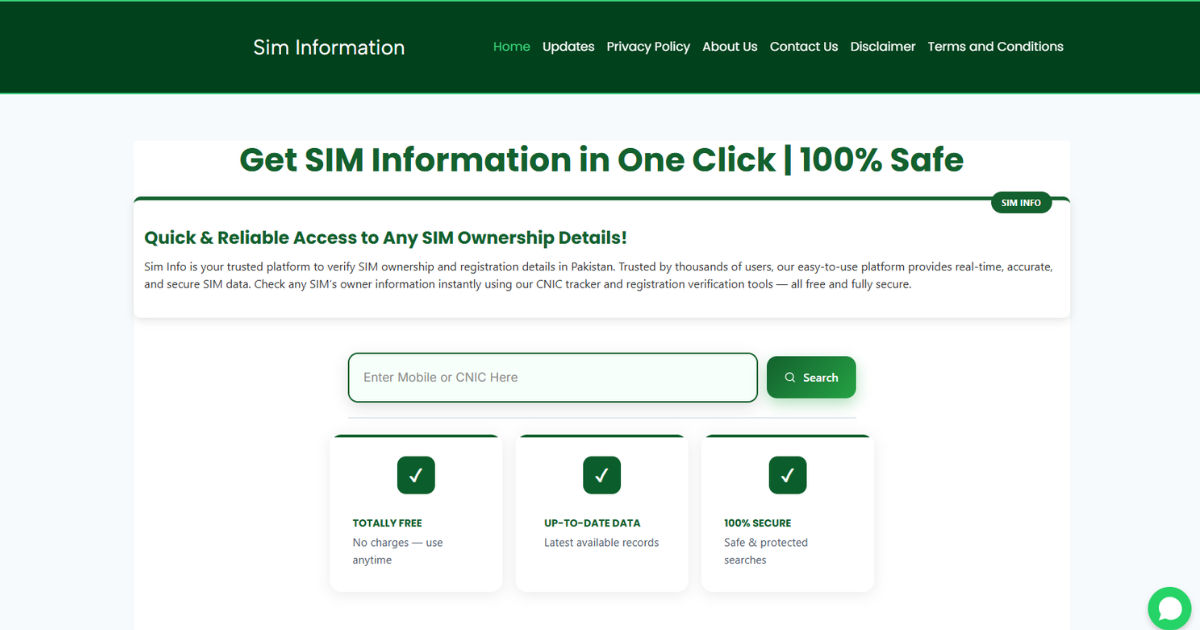
One of the most reliable ways to do this is through a Sim Database. A Sim Database is a centralized system that stores detailed information about SIM cards, including their registration details, network operator, and the CNIC (Computerized National Identity Card) associated with each number.
In this comprehensive guide, we will discuss how to verify a number in a Sim Database, why it is important, and the different methods you can use. This guide is designed to be simple, easy to read, and suitable for anyone, even those without technical expertise. By the end of this article, you will have a clear understanding of how to verify numbers efficiently and securely.
What is a Sim Database?
A Sim Database is a digital repository maintained by telecommunication authorities or mobile network operators. It contains detailed information about all SIM cards issued within a country. The data typically includes:
-
The mobile number associated with the SIM card
-
The name of the registered owner
-
CNIC or identification number linked to the SIM
-
Network provider details
-
SIM activation and issuance date
The main purpose of a Sim Database is to prevent fraudulent activity, track stolen or lost SIMs, and ensure that all numbers are registered under the correct individual. It is an essential tool for both telecom authorities and everyday users who want to verify a number’s authenticity.
Why Verifying a Number is Important
There are several reasons why verifying a number through a Sim Database is crucial:
-
Preventing Fraud
Fraudsters often use unregistered or fake numbers to conduct illegal activities. By verifying a number, you can ensure that the number belongs to a legitimate person. -
Protecting Personal Information
Using a verified number ensures that your personal information is safe. It reduces the chances of identity theft and unauthorized access. -
Business Security
For businesses, verifying customer numbers is essential. It helps prevent scams, ensures accurate delivery of services, and maintains trust with clients. -
Legal Compliance
Many countries require SIM cards to be registered with a valid CNIC or ID. Verifying numbers through a Sim Database ensures that you comply with these regulations.
How to Verify a Number in a Sim Database
Verifying a number in a Sim Database is straightforward, but it can vary depending on the platform or service you are using. Below are the most common methods:
Method 1: Using Official Telecom Websites
Most mobile network operators provide an online tool to verify a number. Here’s a step-by-step guide:
-
Visit the official website of the telecom operator (e.g., Jazz, Telenor, Zong, or Ufone).
-
Look for the section related to SIM verification or CNIC verification.
-
Enter the mobile number you want to verify.
-
Provide your CNIC number if required.
-
Submit the form.
The system will display information about the number, such as the registered owner’s name, network operator, and registration status.
This method is secure because it uses official data from the Sim Database, ensuring accuracy.
Method 2: Using Third-Party Verification Tools
There are multiple online platforms that allow you to verify a number against a Sim Database. These tools collect information from telecom operators and provide quick results. Steps include:
-
Open a reliable SIM verification website.
-
Enter the number you wish to verify.
-
Wait for the system to fetch details from the Sim Database.
-
Review the results, which typically include the owner’s name, CNIC, and telecom provider.
It is important to use trusted platforms to avoid scams and data theft.
Method 3: Using Mobile Apps
Some telecom operators offer mobile apps for verification purposes. These apps connect directly to the Sim Database and provide accurate information. To use:
-
Download the official app from the App Store or Google Play Store.
-
Register your account if required.
-
Use the number verification feature.
-
Enter the number you want to verify.
The app will show details from the Sim Database, making it easy to confirm the owner’s identity.
Method 4: Sending SMS for Verification
In some cases, telecom operators allow you to verify numbers by sending an SMS. For example:
-
Compose a new SMS.
-
Type the mobile number you want to verify.
-
Send it to the dedicated verification number provided by the telecom operator.
The response will contain information about the SIM owner, network, and registration status. This method is particularly useful for users who do not have internet access.
Understanding the Data You Get
When you verify a number through a Sim Database, you typically receive the following information:
-
Owner’s Name: Confirms who the SIM is registered to.
-
CNIC/ID Number: Ensures that the number is linked to a valid identification document.
-
Network Provider: Shows which telecom company issued the SIM.
-
Registration Status: Confirms whether the SIM is active, inactive, or blocked.
-
Issue Date: Indicates when the SIM was first registered.
By analyzing this data, you can ensure that the number is legitimate and safe to use.
Common Issues During Verification
Even though verifying numbers is straightforward, users may encounter issues. Here are some common problems and solutions:
Issue 1: Number Not Found
Sometimes, a number may not appear in the Sim Database. This could happen due to:
-
Incorrectly entered number
-
SIM not registered properly
-
Technical issues with the telecom database
Solution: Double-check the number and try again after some time or contact the telecom provider.
Issue 2: Owner Details Mismatch
Occasionally, the owner details may not match the information you expect. This can occur if:
-
The SIM was transferred to another person
-
Data was updated recently in the Sim Database
-
Errors in registration
Solution: Contact the telecom operator for clarification and provide proper identification for verification.
Issue 3: System Downtime
Telecom databases may occasionally be offline for maintenance.
Solution: Wait for the system to come back online or use alternative verification methods like SMS or mobile apps.
Best Practices for Verifying Numbers
To ensure accurate verification and protect your data, follow these best practices:
-
Use Official Channels
Always use official telecom websites, apps, or customer service for verification. Avoid untrusted websites. -
Verify Before Transactions
If you are conducting business or financial transactions, verify numbers beforehand to avoid fraud. -
Keep Records
Maintain a record of verified numbers, including screenshots or confirmation messages, for future reference. -
Update Your Own Number
Ensure your personal number is registered correctly in the Sim Database to avoid issues when others verify it. -
Protect Personal Information
Never share sensitive information unnecessarily during the verification process.
Advanced Verification Techniques
For businesses and organizations, more advanced verification methods can be used to integrate Sim Database checks into their systems.
API Integration
Telecom companies offer API (Application Programming Interface) services that allow businesses to verify numbers programmatically.
-
Businesses can send a request to the telecom’s verification API.
-
The API returns the SIM owner details and registration status.
-
This allows bulk verification of numbers quickly and efficiently.
Automated Systems
Companies handling large customer bases can implement automated verification systems. These systems connect directly to the Sim Database and check numbers in real-time during signup or transactions.
Combining with CNIC Verification
In Pakistan, linking CNIC verification with number verification enhances security. By cross-checking both the number and CNIC in the Sim Database, you can confirm the authenticity of the user with greater certainty.
Legal and Privacy Considerations
Verifying a number through a Sim Database must comply with privacy laws and regulations. Users and businesses should:
-
Only access information for legitimate purposes
-
Avoid sharing verified data with unauthorized parties
-
Respect data protection laws, including the Pakistan Telecommunication Authority (PTA) regulations
Failure to follow these rules can lead to penalties or legal action.
Conclusion
Verifying a number in a Sim Database is an essential practice in today’s world, where digital security and identity verification are critical. Whether you are an individual protecting yourself from fraud or a business ensuring secure transactions, the Sim Database provides reliable and accurate information.
By using official websites, apps, SMS verification, or advanced APIs, you can confirm the legitimacy of any number. Understanding the data provided, addressing common issues, and following best practices ensures that verification is both effective and secure. Always remember to respect privacy laws and use verified information responsibly.
Using the Sim Database for number verification not only protects personal and business interests but also contributes to a safer digital environment for everyone.