
Sneaker cleaning has become an essential part of sneaker culture. From casual collectors to serious sneaker enthusiasts, everyone wants their shoes to look fresh and last longer. However, there is a lot of confusion about the best ways to clean sneakers. Over time, myths and misconceptions about sneaker cleaning have spread widely.
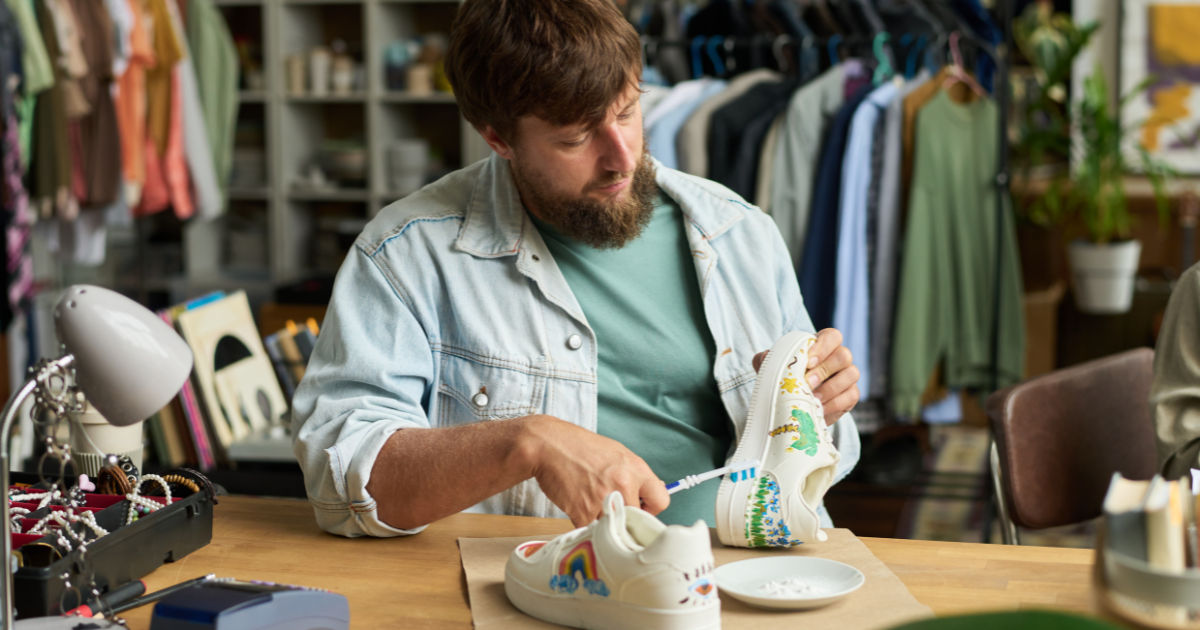
These myths can lead to damage, fading, or even shrinking your favorite pair. In this guide, we will explore the most common sneaker cleaning myths and provide clear, accurate advice for keeping your sneakers in top condition.
Myth 1: You Should Always Wash Sneakers in a Washing Machine
Many people believe that tossing their sneakers into a washing machine is the quickest and easiest way to clean them. While machines can clean some shoes, this is not always safe. Sneakers are made from a variety of materials, such as leather, suede, mesh, and rubber. A washing machine can damage delicate fabrics, warp the soles, and cause color fading.
Instead, consider hand cleaning as the safest method. Use a soft brush, mild detergent, and warm water to gently scrub the surfaces. This approach is much safer and can extend the life of your sneakers.
Hand Cleaning: The Safer Alternative
Hand cleaning allows you to control the pressure and avoid harsh agitation. For example, mesh sneakers are lightweight and prone to tearing in machines. Leather sneakers can crack if exposed to too much water and heat. A soft brush or microfiber cloth, combined with mild soap, usually works best for most materials.
Myth 2: Bleach is Safe for All Sneakers
Bleach is a strong chemical that many people assume can whiten any sneaker. While bleach can remove stains, it can also cause irreversible damage. On leather or colored fabric, bleach can create yellow spots or completely remove the color. Rubber may also degrade if exposed to bleach repeatedly.
Safe Whitening Alternatives
Instead of bleach, use sneaker-safe whitening products or a paste made from baking soda and water. These alternatives are gentle yet effective at removing stains and restoring brightness. They are especially useful for white sneakers, which are often more vulnerable to discoloration.
Myth 3: You Don’t Need to Clean Your Sneakers Regularly
Some sneaker enthusiasts believe that occasional cleaning is enough. In reality, dirt, sweat, and oils accumulate over time, breaking down the material of your shoes. Ignoring regular cleaning can lead to unpleasant odors, discoloration, and permanent damage.
The Importance of Routine Maintenance
Regular sneaker cleaning not only keeps your shoes looking fresh but also prolongs their lifespan. A quick wipe-down after each use and a deeper cleaning every few weeks can prevent buildup. Regular care is especially important for suede and mesh, which absorb dirt more easily than leather or synthetic materials.
Myth 4: Water Alone Can Clean Sneakers Effectively
Many people think that a simple rinse with water is enough to clean sneakers. While water can remove surface dirt, it is usually insufficient for deeper stains. Without a cleaning agent, grime and bacteria remain trapped in the fabric or sole.
Using the Right Cleaning Agents
For effective sneaker cleaning, use mild detergents or sneaker-specific cleaning solutions. These products break down oils, dirt, and stains without harming the material. For stubborn stains, a soft brush or toothbrush can help lift grime from crevices.
Myth 5: All Sneakers Can Be Exposed to Sunlight to Dry
It is common to see advice suggesting that you dry sneakers in direct sunlight. While the sun can speed up drying, it can also cause color fading and warping. Leather sneakers may crack, and rubber soles can shrink when exposed to intense heat.
Safe Drying Methods
Instead, air-dry sneakers at room temperature. Remove the insoles and laces to speed up drying, and stuff the shoes with newspaper or paper towels to maintain their shape. This method ensures your sneakers dry safely without compromising material integrity.
Myth 6: Using Dish Soap is Always Safe
Dish soap is often recommended for sneaker cleaning, but not all types are suitable. Some dish soaps contain harsh chemicals that can strip dyes or damage delicate fabrics. Overuse can also leave residue, attracting more dirt over time.
Choosing the Right Soap
Opt for a gentle, fragrance-free soap or a sneaker-specific cleaner. These options are designed to remove dirt effectively while protecting the material. For white sneakers, a paste of baking soda and water is a safer alternative to maintain brightness.
Myth 7: Brushing Harder Cleans Better
When trying to remove stains, many people assume that more force equals better cleaning. This is not true. Aggressive scrubbing can scratch leather, fray mesh, and flatten suede textures.
Gentle Brushing Techniques
Use a soft-bristled brush and small circular motions for cleaning. Apply gentle pressure and focus on lifting the dirt rather than scrubbing harshly. For tough stains, let the cleaning solution sit for a few minutes before brushing to loosen grime without damaging the shoe.
Myth 8: Sneakers Don’t Need Cleaning If They Look Fine
Some sneaker owners only clean their shoes when they are visibly dirty. However, invisible dirt, oils, and bacteria accumulate inside the shoe and can cause odors, material breakdown, or even skin irritation.
Cleaning Beyond Appearance
Sneaker cleaning should include the insoles and inner lining. Remove insoles and wash them separately, and use a disinfectant spray for odor control. This internal cleaning keeps the shoes hygienic and extends their usable life.
Myth 9: Suede Sneakers Cannot Be Cleaned
Suede sneakers have a reputation for being delicate and challenging to clean. Some people avoid cleaning suede altogether, fearing damage. While suede requires special care, it is entirely possible to clean them safely.
Suede Cleaning Tips
Use a suede brush to gently lift dirt and restore the nap. For stains, a small amount of white vinegar or rubbing alcohol can be applied with a cloth, followed by brushing. Avoid soaking suede in water, as it can leave watermarks.
Myth 10: Expensive Sneakers Don’t Need Special Care
High-end sneakers are often treated as delicate collector’s items, but some owners mistakenly think they require no cleaning. In reality, premium sneakers can be more sensitive to dirt, stains, and moisture.
Protecting High-End Sneakers
Always follow manufacturer cleaning guidelines. Use sneaker-safe products and avoid harsh chemicals. Investing time in proper sneaker cleaning ensures your expensive shoes retain their value and appearance.
Myth 11: Sneakers Can Be Cleaned With Any Household Products
Household products like bleach, vinegar, or detergents are sometimes used indiscriminately. While they might work for short-term cleaning, many can cause discoloration, shrinkage, or fabric breakdown.
Recommended Products
Stick to products specifically designed for sneakers. These cleaners are formulated for different materials like leather, mesh, suede, and synthetic fabrics. Using the right product ensures effective cleaning without unintended damage.
Myth 12: You Can Skip Waterproofing After Cleaning
Waterproofing sprays protect sneakers from moisture and stains, yet some people skip this step after cleaning. Without protection, your freshly cleaned sneakers are vulnerable to dirt and water damage.
Reapplying Protective Sprays
After cleaning and drying your sneakers, apply a waterproofing spray suitable for the material. This step adds an extra layer of defense and makes future sneaker cleaning easier.
Myth 13: Only White Sneakers Need Regular Cleaning
While white sneakers show dirt more prominently, all sneakers benefit from regular cleaning. Dark-colored shoes can hide dirt but still accumulate grime, oils, and bacteria.
Cleaning All Sneakers
Make sneaker cleaning part of your regular routine, regardless of color. This prevents odor, material damage, and extends the life of your collection. Proper care ensures every pair looks and feels great.
Conclusion
Sneaker cleaning is more than just aesthetics—it’s about preserving the life, comfort, and hygiene of your footwear. Many myths surrounding sneaker cleaning can lead to damage, fading, or shortened lifespan if followed blindly. Avoiding washing machines, bleach, harsh soaps, and direct sunlight, while adopting gentle brushing, mild detergents, and air-drying techniques, ensures your sneakers remain in top condition.
Regular maintenance, using sneaker-safe products, and caring for materials like suede, leather, mesh, and rubber properly will help you enjoy your sneakers for years. Whether you’re a casual wearer or a serious collector, understanding the truth behind these common sneaker cleaning myths will save you time, money, and frustration.
By debunking these myths and following safe, effective cleaning practices, you can keep your sneaker collection looking fresh, vibrant, and long-lasting. Consistency and care are key to preserving your sneakers’ appearance and comfort. Proper sneaker cleaning is not just about appearance—it’s about maintaining the value, hygiene, and lifespan of your footwear.