
A Quiet Shift That Changed the Rush
A night depot hums like a low tide. In smart logistics, the light on each lane feels like a small promise kept. The week is fierce. Orders triple. A courier laughs, then sighs, then runs again. The line never stops. Throughput is king, and downtime feels like winter. By dawn, someone whispers a simple question: why did the floor feel calmer even as the numbers rose?
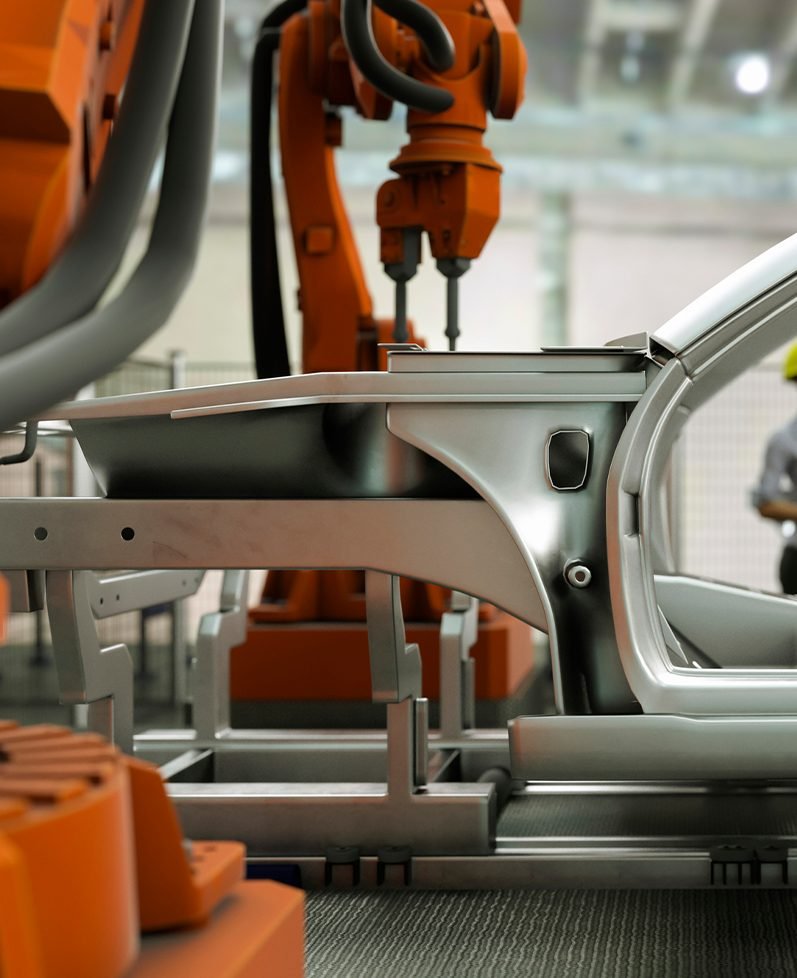
Here is the scene: pallets stack tall, scanners flicker, and the belt runs like a string pulled tight. A few years back, this would crack—too many hands, too many stops, too many re-scans. But not tonight. The system traces each parcel, nudging it along, like a soft hand on a shoulder (tender but sure). The WMS speaks clearly. The conveyor lanes breathe. Even the power converters stay cool. We see a steady 97% line balance for hours, and mis-sorts fall under the noise of the room. But what if the calm is not luck? What if it comes from a better way to sort? We’re going to lift that lid, and then step into what comes next.
Why the Old Way Buckled When the Clock Sped Up
What are we doing wrong?
Let’s be technical. Traditional sorting lines rely on rigid PLC controllers, batch waves, and static routing tables. When parcel shapes vary or labels arrive wrinkled, the system reverts to manual checks. That adds latency and breaks flow. An automated sorting machine solves parts of this, but older designs still hinge on central servers and fixed logic. The result: queue spikes, start–stop jolts, and a tired crew. Barcode OCR improves, yet it chokes on glare and tears. Edge computing nodes are often absent or underused, so every micro-decision travels a long way to get a slow answer—funny how that works, right?
We also ignore noise hidden in motion. Sensors drift. Belts slip. Cross-belt sorters run hot. Maintenance stays reactive, not predictive. And when demand surges, the line can’t stretch. Look, it’s simpler than you think: the flaw isn’t only hardware; it’s timing and context. Without local inference at scan points, without real-time feedback to lane diverters, the system treats every parcel like the last one. That’s why mis-sorts repeat in clusters. That’s why operators hover at choke points. That’s why the WMS data looks clean while the floor feels messy. Fix the logic loop. Shorten it. Let the machine think nearer to the belt.
From Constraint to Cadence: Principles That Unlock the Next Leap
What’s Next
Now, let’s look forward in a semi-formal light. The new design pattern puts decision-making at the edge, right where the parcel meets the reader. Vision AI and LiDAR fuse signals. Local models score label quality and predict path risk within milliseconds. Variable frequency drives tune motor torque in real time to protect payload and stabilize speed. A digital twin mirrors the line and tests routing changes before they hit steel. This is how an automated sorting machine stops being a big box and becomes a living network—small brains, quick loops, clear handoffs.
And the comparison? Old lines batch; new lines stream. Old lines wait for commands; new lines negotiate locally, then sync globally. Instead of one central brain, you get a mesh of edge computing nodes that share just enough. Throughput climbs without the sawtooth spikes. Energy use drops as drives coast on learned patterns. Operators move from firefighting to fine-tuning. The surprise is quiet efficiency—no heroics, no drama—just parcels that glide where they should. To choose well, consider three simple metrics: 1) decision latency at the diverter in milliseconds, 2) sustained sort accuracy across damaged-label sets, and 3) energy per thousand parcels under peak load. Anchor on those, and the rest will follow—eventually, and then all at once.
In the end, the floor feels human again: less noise, more rhythm, a shift that finishes on time. Not magic. Just better timing wrapped in good engineering. If you want to trace these principles to real machines and measured outcomes, the name to watch is LEAD.