
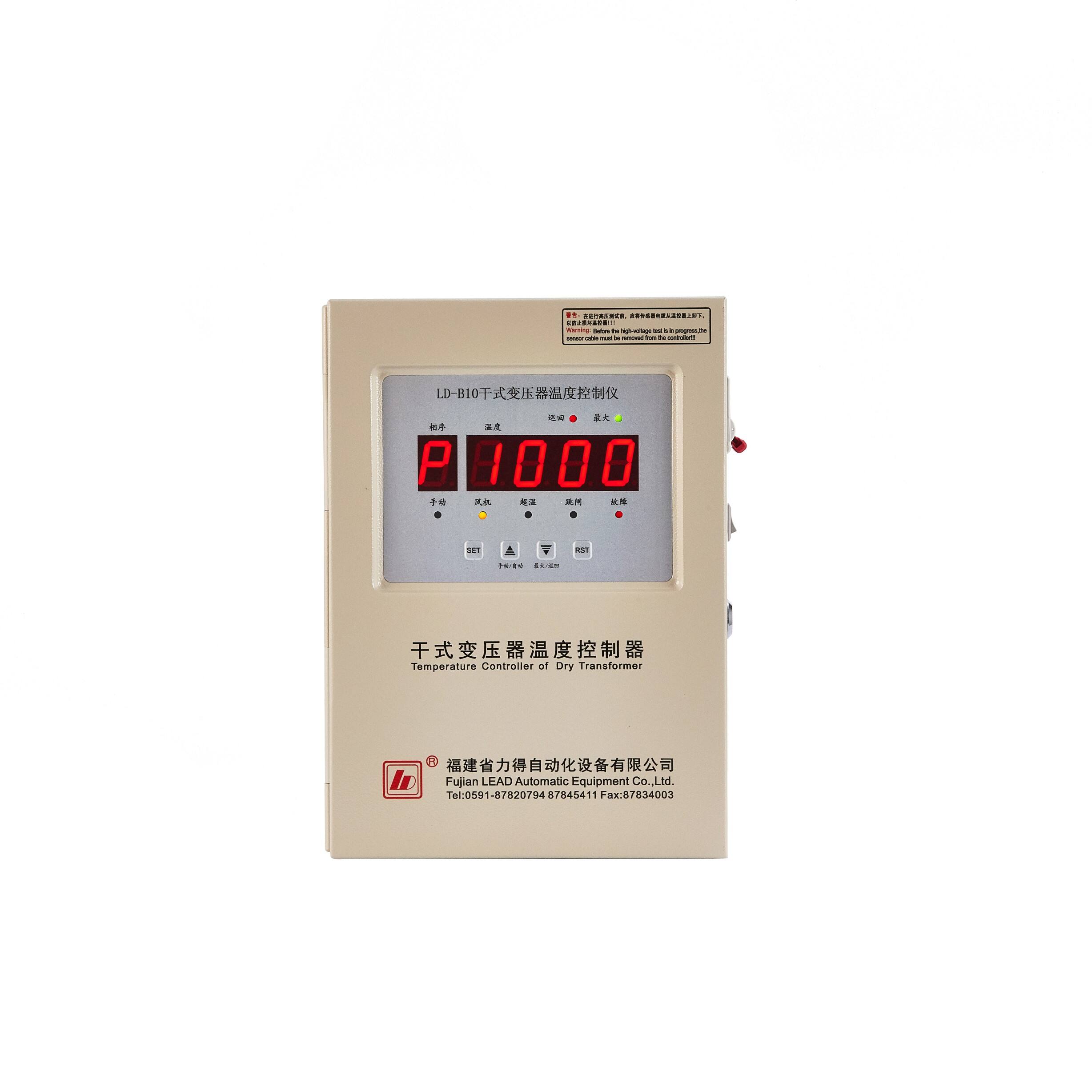
Power transformers are essential components in the electrical transmission and distribution networks, converting voltage levels to ensure the efficient transport of electricity over long distances. As critical assets, the maintenance and optimization of transformers are vital for ensuring the reliability, efficiency, and longevity of power grids. In recent years, advancements in technology have led to more sophisticated approaches to transformer maintenance, shifting from reactive strategies to predictive and condition-based monitoring. These modern approaches not only enhance performance but also reduce operational costs and prevent unscheduled outages.
Traditional vs. Modern Maintenance
Historically, power transformer maintenance was largely driven by predetermined schedules, with operators performing routine inspections based on manufacturer recommendations. These practices typically focused on identifying visible wear and tear, such as leaks or signs of overheating, but they often fell short in predicting failures before they occurred. This reactive model resulted in high maintenance costs, frequent outages, and unnecessary downtime.
The modern approach has shifted to predictive and condition-based maintenance (CBM), which leverages real-time data, advanced diagnostics, and smart technologies to predict potential failures before they happen. This proactive strategy allows for more efficient resource allocation, optimized operational uptime, and a reduction in unplanned maintenance.
Predictive Maintenance and Condition-Based Monitoring
One of the cornerstones of modern transformer maintenance is predictive maintenance (PdM). This approach uses data analytics, machine learning, and real-time monitoring to assess the health of transformers. Sensors embedded in transformers monitor parameters such as temperature, pressure, vibration, and oil condition. This data is then analyzed to detect early signs of faults like insulation degradation, oil contamination, or core damage.
One of the most significant advancements in PdM is the use of dissolved gas analysis (DGA). This technique involves measuring the gases dissolved in transformer oil, such as hydrogen, methane, and ethylene, which are byproducts of internal faults like overheating or arcing. By analyzing the concentration and types of gases present, operators can identify specific fault conditions and take action before a catastrophic failure occurs. DGA, when combined with other sensors and diagnostic tools, provides a comprehensive picture of transformer health.
Remote Monitoring and IoT Integration
The integration of Internet of Things (IoT) technology and cloud-based solutions has further revolutionized transformer monitoring. Remote monitoring systems now allow operators to track transformer health from anywhere, in real time, by accessing data through cloud platforms. IoT-enabled sensors continuously collect data, transmitting it to centralized systems where advanced algorithms can analyze trends, detect anomalies, and even provide predictive insights.
These systems can alert operators to potential issues, such as an unusual rise in temperature or abnormal vibrations, and recommend corrective actions. By leveraging remote diagnostics, utility companies can deploy personnel and resources more efficiently, minimizing downtime and reducing the need for manual inspections.
Thermal and Acoustic Monitoring
Thermal and acoustic monitoring technologies are also being increasingly adopted for transformer health monitoring. Thermal imaging cameras and infrared sensors detect hotspots that could signal potential problems in windings, bushings, or tap changers. These hotspots often precede failures such as winding short circuits or bushing failures.
Acoustic monitoring, which listens for sound emissions within transformers, helps detect internal electrical discharges or arcing, which are early indicators of potential faults. By monitoring these sounds, operators can catch issues that would otherwise go unnoticed during routine inspections.
Smart Transformers and Self-Healing Capabilities
The latest trend in transformer technology is the development of smart transformers, which integrate advanced sensors, real-time monitoring systems, and automation. These transformers are designed to self-regulate their operations, adjusting parameters like voltage levels to optimize performance and prevent damage.
Self-healing capabilities also allow transformers to isolate and repair certain faults autonomously, reducing the need for human intervention and improving grid resilience. As the grid becomes more interconnected with renewable energy sources and smart technologies, these smart transformers play a crucial role in enhancing the flexibility and sustainability of power systems.
Conclusion
Modern approaches to Temperature controller maintenance and optimization are transforming how utilities manage their infrastructure. By leveraging predictive maintenance, IoT integration, remote monitoring, and smart technologies, operators can ensure the continuous, reliable operation of transformers while reducing costs and minimizing downtime. As technology continues to evolve, the future of power transformer maintenance will be marked by even greater efficiencies and smarter, more resilient grids capable of meeting the demands of an increasingly complex energy landscape.