
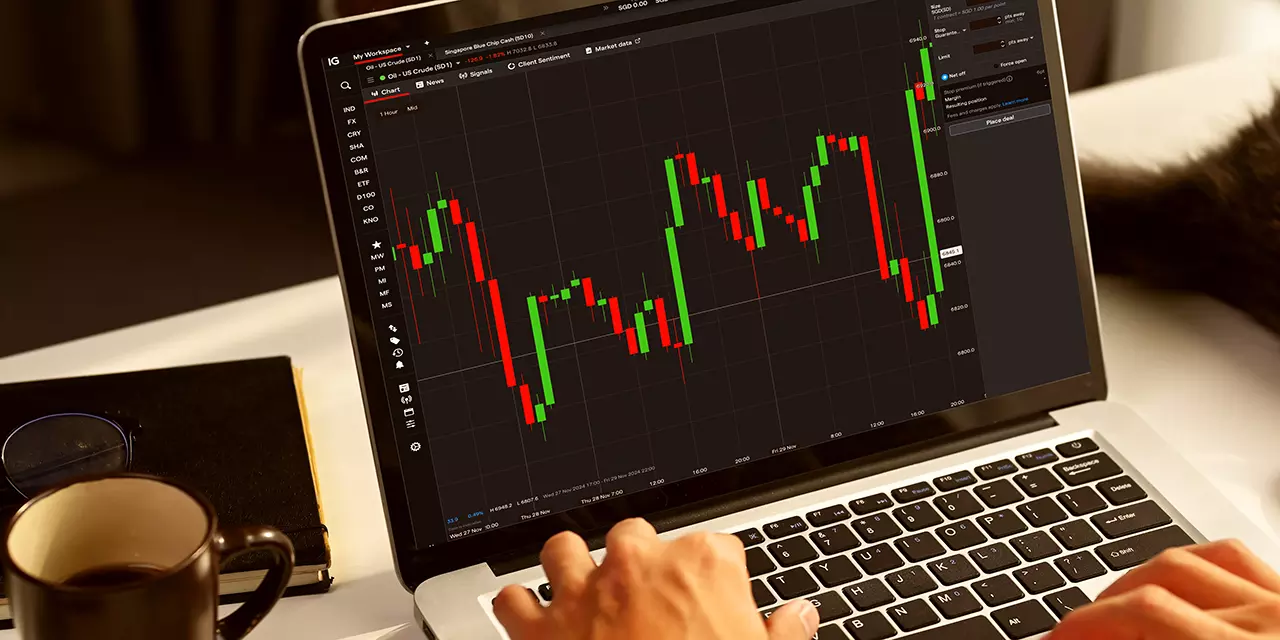
You will discover right away when you start trading futures, especially with futures prop businesses, that your platform will determine how well you do. Looking good on charts isn't everything, and neither is quick execution. The best futures trading platform for prop traders is the one that best suits their trading style. There are different needs for swing traders, scalpers, and even those attempting to experiment with algorithmic tactics. Furthermore, the right platform is more than just a tool when real money is involved, perhaps money that the company has borrowed. Nearly a trading partner, actually.
What factors do prop traders genuinely consider when choosing a platform? Let's discuss.
Why Platforms Matter So Much in Prop Trading
If you're trading out of your own retail account, you may accept a little slippage here and there or an occasionally clunky user interface. But in prop firms, the stakes are greater. They're providing you capital, imposing rules, and demanding performance.
Here's the scenario: you're in the midst of a whipsaw market move, oil futures are going wild, and you click to take a position. But your order doesn't catch up and by the time it gets filled, you've already lost the best price. Retailers may just shrug and write it off as bad luck. Prop traders?
Because of this, the top futures prop firms typically suggest or even mandate certain platforms. They are aware that the platform is the foundation of your trading setup and is more than just software.
What Prop Traders Want in a Futures Platform
Execution Speed
Futures are quick. You don't need delays when you're scalping the S&P 500 e-mini contract. A few milliseconds can be the difference between profit and a stop-out.
Low Latency Data
Real-time, tick-by-tick data is not optional. Prop traders must be able to see the market depth, order flow, and microstructure well.
Advanced Charting Tools
Whether you're trading price action strategies, order flow analysis, or algo backtests, you want charts that serve instead of lagging behind.
Customizability
Hotkeys, layouts, and indicators tend to get modified by prop traders. If the platform will not allow you to get it customized according to your workflow, it will slow you down.
Stability and Reliability
Nothing is worse than a platform crash while a big Fed announcement is being made. If it will not withstand stress, it's the wrong tool.
Integration with Prop Firm Accounts
The futures prop firms have their own needs, such as risk dashboards and account monitoring. The best futures trading platform integrates easily.
With our checklist in hand, let's see what platforms actually receive the most love (and occasional hate) from prop traders.
The Big Names in Futures Trading Platforms
NinjaTrader
NinjaTrader is usually the first name on the tip of anyone's tongue when futures traders mention it. And for good reason.
Why prop traders enjoy it:
- Lightning-quick execution, robust charting, and deep integration with prop houses. It's particularly beloved by scalpers who use hotkeys and fast entries. The DOM (Depth of Market) is one of the most silky-smooth out there, providing traders with a sharp view of order flow.
Where it lacks:
- The platform is a little cumbersome to master, and not everybody is a fan of its pricing methodology. But if functionality and speed are top priorities, NinjaTrader is generally in the mix.
TradeStation
This is older than dirt and yet still manages to have a positive reputation among futures traders.
- What prop traders like about it:
TradeStation is the Swiss army knife of trading platforms. It's reliable, flexible, and perfect for discretionary and algorithmic traders alike. Backtesting capabilities are robust, and prop traders executing systematic strategies love it.
- Where it fails:
It's not always the most affordable option, and some traders don't like the interface feeling slightly dated. Nevertheless, it does the job with precision.
CQG
CQG is another name that pops up in prop firm circles. It’s often bundled as part of what futures brokers or firms provide.
Why prop traders like it:
- Speed and stability. CQG has been around long enough to prove it can handle volatile markets without breaking a sweat. The data feed is clean and consistent, which is a big deal when you’re scalping.
Where it falls short:
- The platform is not the flashiest in charting capabilities among others, yet most traders still favor its no-frills reliability.
TradingView (analysis, not execution)
Technically, TradingView is not an execution platform for futures, yet a lot of prop traders continue to use it alongside with their primary platform.
Why prop traders like it:
- Super clean charts, highly customizable, and perfect for sharing setups. A lot of futures traders will do their analysis on this and then send orders via something like NinjaTrader or CQG.
Where it lacks:
- You can't use it for full execution with most futures prop firms. It's more of a side tool.
MetaTrader 5 (MT5)
Yes, MT5 isn’t the first platform that comes to mind for futures, but some prop firms are now offering it because traders are familiar with it from forex.
Why prop traders like it:
- It’s user-friendly, has a ton of indicators, and many traders already know the interface. If you’re trading both forex and futures at a prop firm, MT5 can feel like home.
Where it falls short:
- It falls short of NinjaTrader or TradeStation in order flow and DOM trading. But for swing traders, it's more than adequate.