
Finding the right pumping routine can feel overwhelming at first, especially for new parents trying to balance feeding, recovery, sleep, and daily life. A consistent and realistic pumping schedule is what helps maintain milk supply, avoid discomfort, and support long-term breastfeeding success.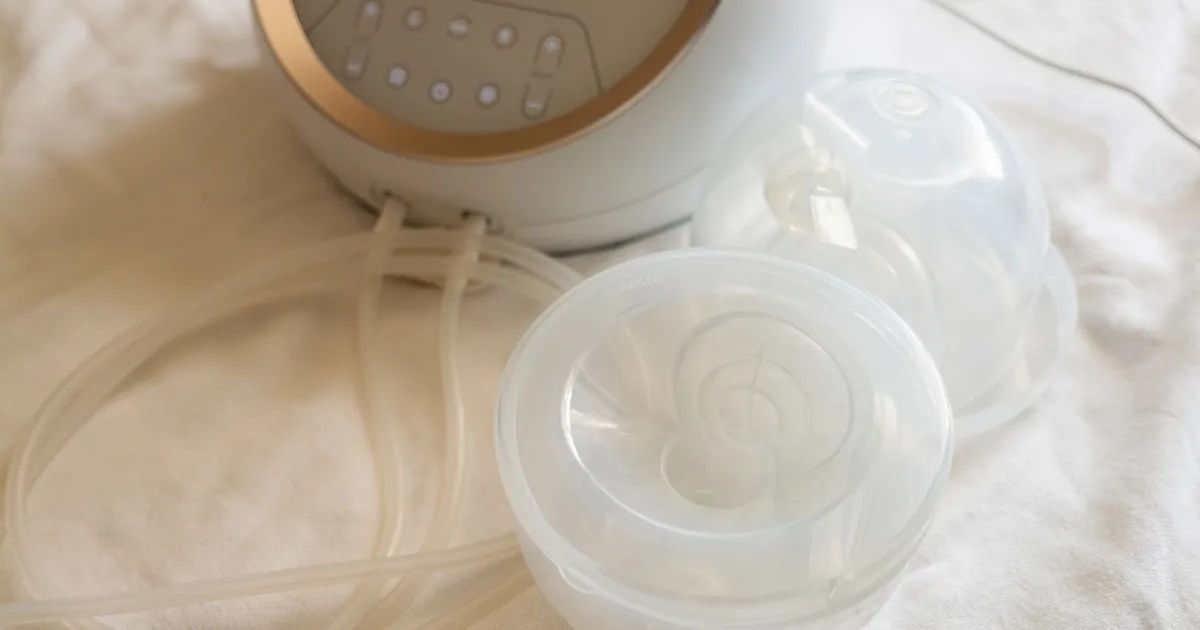
Many parents also rely on tools like the Spectra S1 Pro Breast Pump early in their journey because it offers flexibility for building a routine that actually fits real-life schedules.The truth is, there is no single “perfect” pumping schedule that works for everyone. Instead, the best schedule depends on your baby’s age, your milk supply goals, and your lifestyle.
In this guide, we will break down how pumping schedules work, what experts generally recommend, and how to build a routine that supports both comfort and milk production. We will also naturally reference the Spectra S1 Pro Breast Pump where it plays a role in practical pumping routines.
Understanding Breast Pumping Basics
Before building a schedule, it is important to understand how milk production works. Breast milk supply operates on a demand-and-supply system. The more frequently milk is removed, the more your body is signaled to produce.
This is where consistency becomes important. Whether you are nursing directly or using a pump like the Spectra S1 Pro Breast Pump, regular milk removal tells your body to maintain or increase supply.
When you skip sessions too often, your body may reduce production. On the other hand, pumping too frequently without rest can cause fatigue and discomfort. A balanced approach is key.
The Spectra S1 Pro Breast Pump is often used in structured schedules because it supports adjustable suction levels and double pumping, which helps save time while maintaining efficiency.
Factors That Affect Pumping Schedules
There is no universal schedule because several personal factors influence your pumping needs.
Baby’s Age
Newborns require frequent feeding, which means more pumping sessions if you are exclusively pumping. As your baby grows, the number of sessions typically decreases.
Milk Supply Goals
Some parents aim to exclusively breastfeed, while others combine formula feeding. Your goal determines how often you need to pump.
Work Schedule
Working parents often need structured pumping breaks during the day. Tools like the Spectra S1 Pro Breast Pump help make short sessions more efficient.
Physical Comfort and Recovery
Over-pumping can cause soreness or fatigue. Your body’s comfort level is just as important as milk output.
The Spectra S1 Pro Breast Pump is frequently chosen because it offers gentle suction settings that can be adjusted based on comfort and stage of recovery.
Best Pumping Schedule for Newborns (0–3 Months)
During the newborn stage, milk supply is still being established. This is the most critical time for building consistency.
Recommended Frequency
Most experts suggest pumping 8–12 times per day, including at least one session at night.
Sample Schedule
- 6:00 AM
- 9:00 AM
- 12:00 PM
- 3:00 PM
- 6:00 PM
- 9:00 PM
- 12:00 AM
- 3:00 AM
This may seem intense, but it mimics a newborn’s feeding pattern.
Using the Spectra S1 Pro Breast Pump during this stage can make frequent pumping more manageable because it reduces session time while maintaining effective milk removal.
Parents often rely heavily on the Spectra S1 Pro Breast Pump during the early weeks because consistency matters more than duration per session.
Pumping Schedule for 3–6 Months
By this stage, milk supply is usually more established, and feeding patterns become slightly more predictable.
Recommended Frequency
About 6–8 pumping sessions per day is common.
Sample Schedule
- 6:00 AM
- 10:00 AM
- 2:00 PM
- 6:00 PM
- 10:00 PM
- Optional night pump
At this stage, many parents continue using the Spectra S1 Pro Breast Pump because it allows them to maintain supply with fewer sessions.
The Spectra S1 Pro Breast Pump becomes especially helpful for working parents who need efficient expression during breaks.
Pumping Schedule for 6–12 Months
Once solids are introduced, breast milk demand may reduce slightly, depending on feeding habits.
Recommended Frequency
4–6 pumping sessions per day is often enough to maintain supply.
Sample Schedule
- Morning pump after waking
- Mid-morning
- Afternoon
- Evening
- Optional night pump
At this stage, flexibility increases. Some parents reduce pumping sessions while continuing breastfeeding.
The Spectra S1 Pro Breast Pump remains useful because it supports both maintenance pumping and occasional power pumping sessions if supply needs a boost.
Pumping Schedule for Exclusive Pumping Mothers
Exclusive pumping requires a more structured and consistent schedule because all milk intake depends on expressed milk.
Recommended Frequency
- Newborns: 8–12 sessions
- 3–6 months: 6–8 sessions
- 6+ months: 4–6 sessions
Key Principle
Never go too long without pumping in early months (usually no more than 4–5 hours).
The Spectra S1 Pro Breast Pump is widely used among exclusive pumpers because it allows efficient double pumping, helping reduce total time spent each day.
Many exclusive pumpers depend on the Spectra S1 Pro Breast Pump for maintaining long-term supply stability without excessive fatigue.
Pumping at Night: Is It Necessary?
Night pumping is often the most challenging part of any schedule.
Why It Matters
Prolactin levels (the hormone responsible for milk production) are highest at night. Skipping night sessions early on can reduce supply.
When You Can Reduce Night Pumping
- After supply is well established (usually after 12 weeks)
- When baby begins sleeping longer stretches
Many parents use the Spectra S1 Pro Breast Pump for quick night sessions because its quiet motor helps avoid disturbing sleep too much.
Even one night session can make a significant difference in maintaining supply in the early months.
Power Pumping to Increase Milk Supply
Power pumping mimics cluster feeding and helps increase milk production.
Typical Power Pumping Schedule
- Pump 20 minutes
- Rest 10 minutes
- Pump 10 minutes
- Rest 10 minutes
- Pump 10 minutes
Total time: 1 hour
The Spectra S1 Pro Breast Pump is often recommended for power pumping sessions because it provides adjustable suction strength, making repeated stimulation more comfortable.
Using the Spectra S1 Pro Breast Pump consistently during power pumping routines can help signal the body to increase milk production over time.
Pumping While Working: Practical Schedule
Returning to work requires a realistic and flexible approach.
Typical Workday Schedule
- Morning pump before leaving home
- Mid-morning at work
- Lunch break pump
- Afternoon pump
- Evening pump at home
Most working parents rely on the Spectra S1 Pro Breast Pump because it is portable and efficient enough to fit into short breaks.
The Spectra S1 Pro Breast Pump also supports rechargeable use, making it easier to maintain routine without needing constant access to power outlets.
Common Pumping Mistakes to Avoid
Inconsistent Timing
Skipping sessions too often can reduce milk supply.
Poor Fit Flanges
Incorrect sizing can lead to discomfort and reduced output.
Rushing Sessions
Shortening sessions too much may prevent full milk removal.
Ignoring Comfort
Pain is a sign something needs adjustment.
Many parents find that switching to a reliable setup like the Spectra S1 Pro Breast Pump helps reduce common issues because of its customizable settings.
Consistency with the Spectra S1 Pro Breast Pump often leads to better long-term results compared to irregular pumping habits.
How to Build Your Own Ideal Pumping Schedule
Instead of copying someone else’s routine, build one that fits your lifestyle.
Step 1: Identify Your Goal
Are you exclusively pumping, supplementing, or maintaining supply?
Step 2: Track Your Day
Look for natural breaks in your routine.
Step 3: Start With a Baseline
Begin with recommended sessions for your stage.
Step 4: Adjust Gradually
Modify timing based on comfort and milk output.
The Spectra S1 Pro Breast Pump helps make this process easier because its settings allow you to experiment with different suction levels and rhythms.
Over time, the Spectra S1 Pro Breast Pump becomes part of a personalized routine that adapts to your body’s needs.
Emotional and Physical Balance in Pumping
Pumping is not only a physical process but also an emotional one. Stress, fatigue, and lack of rest can affect milk production.
Creating a sustainable routine is more important than chasing perfection. Even a well-planned schedule using tools like the Spectra S1 Pro Breast Pump must be flexible enough to adjust when life gets busy.
Parents often find that once they settle into a rhythm with the Spectra S1 Pro Breast Pump, the process becomes more predictable and less stressful.
Conclusion
There is no universal answer to the best breast pump pumping schedule because every parent’s body, baby, and lifestyle are different. However, the key principle remains the same: consistency builds supply, and flexibility preserves your well-being.
Whether you are in the newborn stage pumping frequently, managing a work schedule, or transitioning into fewer daily sessions, your routine should support both your physical comfort and your milk production goals.
The Spectra S1 Pro Breast Pump can play a supportive role in all stages of this journey by offering adjustable settings, efficient pumping sessions, and reliability for both beginners and experienced parents. Many people find that the Spectra S1 Pro Breast Pump helps them stay consistent, which is the most important factor in long-term success.
Ultimately, the best pumping schedule is the one you can maintain without burnout, while still meeting your baby’s nutritional needs. Start with a recommended structure, observe your body’s response, and adjust gradually. With patience and consistency, your routine will become second nature.