
Polycystic ovary syndrome (PCOS) is a common hormonal condition that affects millions of women worldwide. One of the major health concerns linked with PCOS is insulin resistance, a condition where the body’s cells do not respond properly to insulin. Many women explore lifestyle changes, medications, and PCOS Supplements to help manage symptoms and improve overall health.
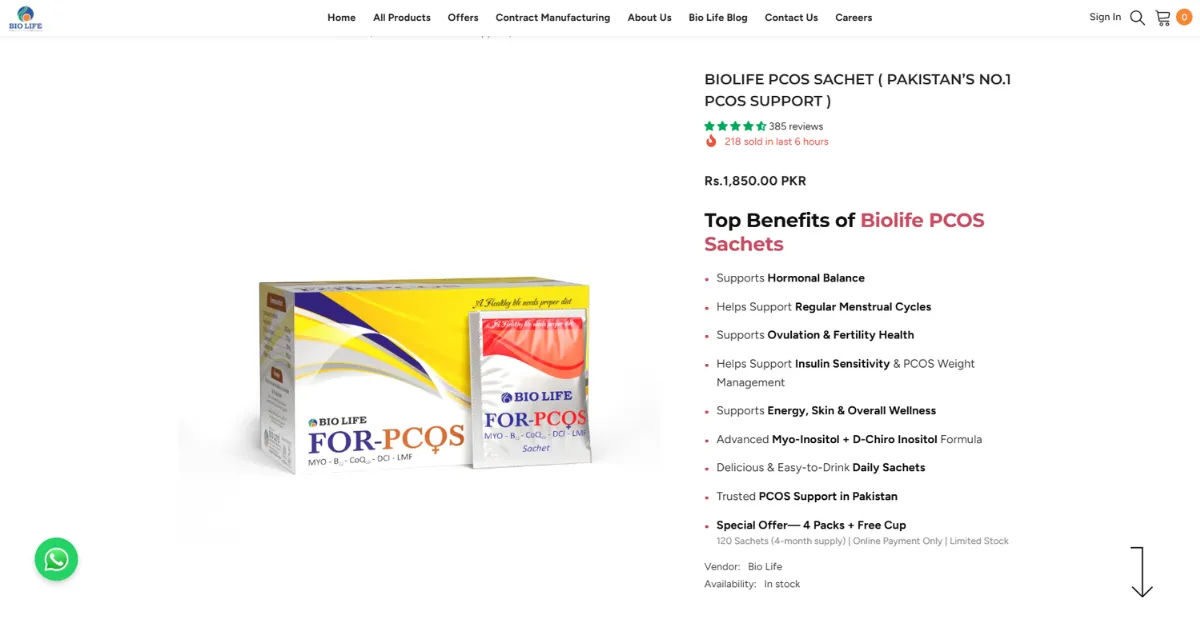
Insulin resistance can influence weight gain, irregular periods, increased cravings, fatigue, acne, and difficulties with fertility. Because insulin plays an important role in hormone balance, improving insulin sensitivity is often considered an important part of PCOS management.
Many women wonder whether PCOS Supplements can actually help with insulin resistance or whether they are only used for general nutritional support. The answer depends on the ingredients, individual health needs, diet, activity level, and overall PCOS management plan.
This guide explains how insulin resistance develops in PCOS, how supplements may support insulin function, which nutrients are commonly used, and what women should consider before adding supplements to their routine.
PCOS and Insulin Resistance
PCOS is a hormonal disorder that affects the way the ovaries function. Women with PCOS may experience symptoms such as irregular menstrual cycles, increased androgen levels, unwanted hair growth, acne, weight changes, and fertility challenges.
While PCOS is primarily known as a reproductive health condition, it also affects metabolism. Many women with PCOS experience problems related to blood sugar regulation.
Insulin resistance is one of the most common metabolic issues associated with PCOS.
What Is Insulin Resistance?
Insulin is a hormone produced by the pancreas. Its main job is to help glucose move from the bloodstream into cells, where it can be used for energy.
When someone has insulin resistance, their cells become less responsive to insulin. As a result, the body may produce more insulin to keep blood sugar levels normal.
Higher insulin levels can create several problems, including:
- Increased fat storage
- Strong cravings for sugary foods
- Difficulty losing weight
- Increased inflammation
- Hormonal imbalance
In women with PCOS, high insulin levels may also encourage the ovaries to produce more androgens, which are hormones that can contribute to symptoms such as acne and excess hair growth.
The Connection Between PCOS and Insulin Resistance
Although not every woman with PCOS has insulin resistance, it is a common feature of the condition.
Research suggests that insulin resistance can occur in women with PCOS regardless of body weight. This means that even women who are not overweight may experience difficulties with insulin regulation.
When insulin levels remain high, they may interfere with normal hormone production. This can affect ovulation, menstrual regularity, and fertility.
Managing insulin resistance can therefore be an important step toward improving PCOS symptoms.
Can PCOS Supplements Help With Insulin Resistance?
Many women use PCOS Supplements as part of a broader approach to managing insulin resistance. These supplements are generally designed to provide nutrients that may support metabolism, hormone balance, and blood sugar control.
However, supplements are not a replacement for healthy eating habits, physical activity, medical treatment, or professional advice.
The effectiveness of supplements depends on several factors, including:
- The specific ingredients included
- The severity of insulin resistance
- Individual nutritional deficiencies
- Diet and lifestyle choices
- Consistency of use
Some nutrients have been studied for their potential role in improving insulin sensitivity and supporting women with PCOS.
Important Ingredients Commonly Found in PCOS Supplements
Different supplements contain different combinations of vitamins, minerals, antioxidants, and natural compounds. Understanding these ingredients can help women make informed decisions.
Inositol
Inositol is one of the most widely studied nutrients for PCOS management.
It is a naturally occurring compound that plays a role in insulin signaling. Some studies suggest that inositol may help improve insulin sensitivity and support more balanced hormone levels.
Many women with PCOS use inositol because it may help with:
- Better glucose regulation
- More regular menstrual cycles
- Improved ovulation
- Reduced symptoms related to hormonal imbalance
Both myo-inositol and d-chiro-inositol are commonly discussed in relation to PCOS.
Vitamin D
Vitamin D deficiency is common among many women, including those with PCOS.
Vitamin D plays a role in several body functions, including immune health, hormone regulation, and metabolism.
Some research suggests that maintaining healthy vitamin D levels may support insulin sensitivity and reduce inflammation.
Women who have low vitamin D levels may benefit from discussing supplementation with a healthcare provider.
Omega-3 Fatty Acids
Omega-3 fatty acids are healthy fats known for their anti-inflammatory properties.
Chronic inflammation may contribute to metabolic problems associated with PCOS. Omega-3 supplements may support overall metabolic health and may help improve certain risk factors related to insulin resistance.
They are commonly found in fish oil supplements and some plant-based sources.
Magnesium
Magnesium is an important mineral involved in blood sugar metabolism.
It helps the body use insulin effectively and supports hundreds of biochemical reactions.
Some individuals with insulin resistance may have lower magnesium levels. Including magnesium through food or supplementation may support better metabolic function.
How Lifestyle Changes Work Alongside PCOS Supplements
While PCOS Supplements may provide nutritional support, lifestyle habits remain one of the most powerful tools for improving insulin resistance.
A balanced approach often includes:
- Eating nutrient-rich foods
- Exercising regularly
- Managing stress
- Getting enough sleep
- Maintaining healthy habits consistently
Supplements tend to work best when they are combined with positive lifestyle changes.
The Role of Diet in Insulin Resistance
Diet plays a major role in blood sugar regulation.
Women with PCOS often benefit from meals that include:
- High-quality protein
- Fiber-rich carbohydrates
- Healthy fats
- Plenty of vegetables
Protein and fiber can help slow digestion and reduce rapid blood sugar increases after meals.
Foods that may support insulin health include:
- Eggs
- Fish
- Nuts and seeds
- Leafy vegetables
- Whole grains
- Legumes
Reducing excessive intake of highly processed foods and sugary drinks may also support better blood sugar control.
Exercise and Its Impact on Insulin Sensitivity
Physical activity is one of the most effective natural ways to improve insulin sensitivity. When muscles are active, they can use glucose from the bloodstream more efficiently, which reduces the amount of insulin the body needs.
Regular exercise may help women with PCOS by supporting:
- Better blood sugar control
- Improved metabolism
- Healthy weight management
- Reduced inflammation
- Better mood and energy levels
Both strength training and aerobic exercises can be beneficial. Strength training helps build muscle, and muscles play an important role in glucose usage. Walking, cycling, swimming, and other cardiovascular activities can also support metabolic health.
Using PCOS Supplements alongside regular exercise may provide additional nutritional support, but supplements cannot replace the benefits of consistent physical activity.
The Importance of Weight Management in PCOS
Weight management can be challenging for many women with PCOS, especially when insulin resistance is present.
High insulin levels can make it harder for the body to use stored fat for energy. This may contribute to weight gain or difficulty losing weight.
However, weight management is not only about the number on the scale. Improving insulin sensitivity, increasing energy levels, and supporting hormonal balance are also important goals.
A combination of:
- Balanced nutrition
- Regular movement
- Proper sleep
- Stress management
- Appropriate supplementation
can create a supportive environment for better PCOS management.
How PCOS Supplements May Support Blood Sugar Balance
The purpose of PCOS Supplements is usually to provide targeted nutrients that may support the body’s natural processes.
Some ingredients may help the body respond better to insulin, while others may support hormone balance or reduce oxidative stress.
For example, antioxidants may help protect cells from damage caused by unstable molecules called free radicals. Since PCOS can involve increased oxidative stress, antioxidant support may be helpful for overall health.
However, results vary between individuals. A supplement that works well for one person may not provide the same results for another person.
Factors That Influence Supplement Effectiveness
The effectiveness of PCOS Supplements depends on multiple personal factors.
Individual Nutritional Needs
Some women may have nutrient deficiencies that affect metabolism. Correcting these deficiencies may improve overall wellness.
For example, a person with low vitamin D or magnesium levels may experience different results after supplementation compared with someone who already has adequate levels.
Severity of Insulin Resistance
Mild insulin resistance may respond well to lifestyle improvements and nutritional support. More significant insulin resistance may require medical guidance and additional treatments.
Consistency and Duration
Supplements generally do not create immediate changes. The body needs time to respond to nutritional support.
Consistency is important, but expectations should remain realistic. Supplements are usually one part of a complete PCOS management strategy.
Are PCOS Supplements Safe?
Most nutritional supplements are considered safe when used correctly and taken according to recommended amounts.
However, safety depends on:
- The quality of the supplement
- The ingredients included
- Existing health conditions
- Other medications being used
Women who are pregnant, trying to conceive, breastfeeding, or taking prescription medicines should speak with a healthcare professional before starting any supplement.
Possible side effects may include:
- Digestive discomfort
- Nausea
- Changes in bowel habits
- Allergic reactions in sensitive individuals
Choosing reliable products and following proper dosage instructions is important.
When Should You Consider Using PCOS Supplements?
Women often consider PCOS Supplements when they are looking for additional support alongside lifestyle changes.
They may be useful for individuals who want to support:
- Insulin sensitivity
- Hormone balance
- Nutritional health
- Energy levels
- General PCOS symptom management
However, supplements should be viewed as supportive tools rather than complete solutions.
A healthcare professional can help identify specific needs through medical history, symptoms, and laboratory tests.
Common Mistakes Women Make When Using Supplements
Many people expect supplements to solve all PCOS-related problems quickly. This can lead to disappointment or incorrect use.
Some common mistakes include:
Relying Only on Supplements
Taking supplements without improving diet, exercise, and daily habits may limit results.
Insulin resistance is influenced by many factors, and addressing only one area may not be enough.
Taking Too Many Products Together
Using multiple supplements at the same time can create unnecessary complexity.
Some nutrients may overlap, leading to excessive intake. It is usually better to choose supplements based on specific needs.
Ignoring Medical Advice
PCOS affects every woman differently. Regular checkups and professional guidance can help create a safer and more effective management plan.
PCOS Supplements and Hormonal Health
Insulin resistance and hormonal imbalance are closely connected in PCOS.
When insulin levels are high, they may influence androgen production and interfere with normal reproductive hormones.
By supporting insulin metabolism, some PCOS Supplements may indirectly support better hormone balance.
Improved insulin sensitivity may contribute to:
- More predictable menstrual cycles
- Better ovulation patterns
- Reduced hormone-related symptoms
However, hormonal improvements depend on individual health factors and should be monitored over time.
Can PCOS Supplements Replace Medication?
No, PCOS Supplements should not be considered a replacement for prescribed medication.
Some women with insulin resistance may require medical treatments recommended by their healthcare provider.
Medications, supplements, and lifestyle changes can sometimes work together as part of a personalized approach.
The right plan depends on symptoms, blood tests, health goals, and medical history.
Questions to Ask Before Choosing PCOS Supplements
Before starting any supplement, consider asking:
What ingredients does the supplement contain?
Understanding the ingredients helps determine whether the product matches your needs.
Is there scientific evidence behind these ingredients?
Some nutrients have more research supporting their use than others.
Are the doses appropriate?
More is not always better. Proper amounts are important for safety and effectiveness.
Does it fit with my current health plan?
Supplements should complement your overall approach rather than create conflicts with existing treatments.
The Role of Professional Guidance
PCOS is a complex condition that affects different women in different ways.
A doctor, nutritionist, or healthcare professional can provide guidance based on:
- Blood sugar levels
- Hormone tests
- Nutritional status
- Lifestyle factors
- Personal health goals
Professional advice can help women choose suitable PCOS Supplements and avoid unnecessary products.
Long-Term Approach to Managing Insulin Resistance
Managing insulin resistance requires patience and consistency.
There is no single solution that works for everyone. A long-term approach usually combines several strategies:
- Healthy eating patterns
- Regular exercise
- Stress reduction
- Quality sleep
- Medical support when needed
- Appropriate supplementation
The goal is not only to improve symptoms but also to support overall health and reduce future metabolic risks.
Conclusion
PCOS Supplements may help support insulin resistance management by providing important nutrients that influence metabolism, hormone balance, and overall wellness. Ingredients such as inositol, vitamin D, magnesium, and omega-3 fatty acids have received attention for their possible benefits in supporting insulin sensitivity.
However, supplements work best when combined with healthy lifestyle habits. They are not a quick fix and cannot replace balanced nutrition, regular exercise, or medical care.
Every woman with PCOS has unique needs. The right approach depends on individual symptoms, nutritional status, and health goals.
For many women, using PCOS Supplements as part of a complete management plan may provide additional support for improving insulin-related concerns and maintaining better hormonal health.
A consistent and informed approach can make a meaningful difference. Understanding the connection between PCOS, insulin resistance, and nutrition allows women to make better choices for their long-term well-being.